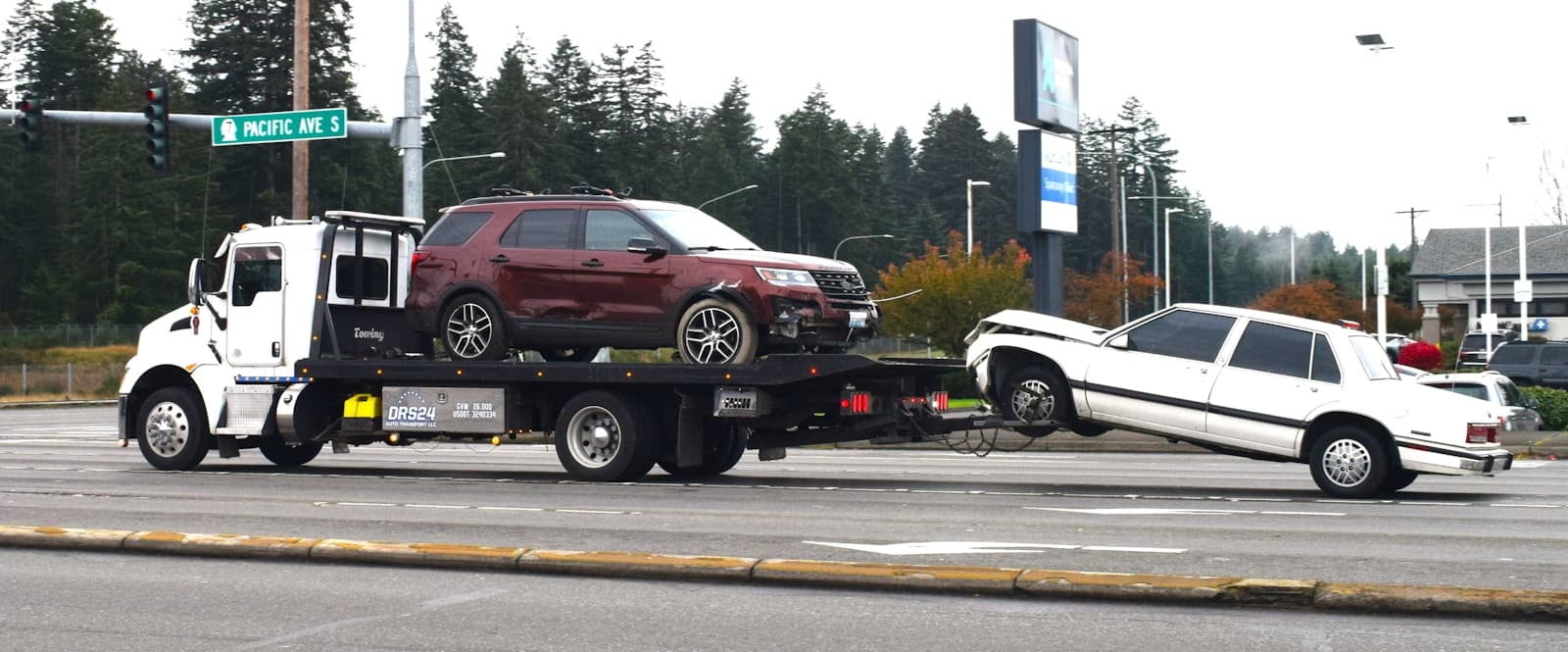
When Removing a Car Doesn't Lower Your Bill
You removed your second vehicle from the policy. The endorsement confirmation arrived. Your next billing statement showed nearly the same premium you were paying with two cars. You expected the line-item deletion to cut your cost in half; instead, you lost the multi-car discount you had been receiving for fifteen years, and the net savings landed somewhere between disappointing and nonexistent.
Florida insurers treat vehicle removal as a mid-term policy change, not a re-underwriting trigger. The carrier deletes the vehicle line but does not automatically recalculate your classification, mileage tier, or eligibility for programs tied to household driving patterns. Most of the premium reduction you expected is sitting in underwriting fields the carrier will not revisit unless you ask.
Compare rates from carriers that specialize in senior drivers
Mature driver discounts, low-mileage rates, and coverage reviews — see what you're actually eligible for.
Get Your Free QuoteCarriers Writing in Florida
25
Twenty-five carriers actively write auto policies in Florida, and their mid-term endorsement practices vary significantly. Some re-rate automatically at the next renewal; most do not unless the policyholder or agent explicitly requests it. Knowing which carriers handle vehicle-count changes fairly is part of the comparison decision.
Florida auto insurance carriers by state data, 2025
What Actually Changed When You Removed the Vehicle
The vehicle line disappeared. Comprehensive and collision premiums for that car stopped. The liability premium allocated to that vehicle stopped. What remained: the primary vehicle's full line, the policy fee, and the base liability allocation for a single-car household. If you had been receiving a multi-car discount, that discount vanished the moment the second vehicle was removed.
Florida's no-fault structure assigns PIP and property-damage minimums to each vehicle. Removing the second vehicle cuts one set of minimums but does not reduce the per-vehicle cost of the remaining car unless the carrier also adjusts for reduced household mileage, lower annual exposure, or program eligibility. Those adjustments require underwriting action, and underwriting does not act without a trigger.
The multi-car discount typically ranges from eight to fifteen percent of the total premium. Losing it can erase half or more of the savings you expected from removing the vehicle. The net outcome: you are now paying closer to what a single-car household should pay, but you are still rated as though two drivers and two vehicles were active when the policy was originally priced.
Your carrier deleted the vehicle but did not re-underwrite the policy. You are still classified at the household tier, mileage estimate, and risk pool that applied when two cars were active.
How to Request Re-Rating After Vehicle Removal
Contact your agent or the carrier's service line within thirty days of the vehicle removal. Ask explicitly: has my policy been re-rated for single-vehicle household status, and have my annual mileage estimate and driver-assignment fields been updated to reflect current use? The term re-rating signals that you want underwriting to recalculate, not just delete a line. Most service representatives will process an endorsement deletion without escalating to underwriting unless you use that term.
Provide updated mileage estimates for the remaining vehicle. If you were driving 18,000 combined annual miles with two cars and now drive 7,000 with one, that difference matters. Carriers tier by mileage brackets, and retirees who no longer commute often qualify for lower tiers they were not placed in when the household included a work commute. Ask whether you qualify for a low-mileage program or usage-based discount now that total household miles have dropped. These programs exist at most standard and preferred carriers writing in Florida, but you must request enrollment; it is not applied retroactively.
Related Articles



State-Specific Considerations for Florida Single-Car Policies
Florida requires PIP and property-damage coverage on every registered vehicle. Removing the second vehicle eliminates one set of minimums but does not reduce the cost of coverage on the remaining car unless your carrier also adjusts your PIP deductible election, medical-coverage coordination with Medicare, or stacking election. These are separate underwriting decisions the carrier will not revisit mid-term without a request.
If the removed vehicle was older or paid off and carried liability-only coverage, and your remaining vehicle carries full coverage, your total premium will not drop proportionally because collision and comprehensive costs were already concentrated on the car you kept. The deletion savings in that scenario come almost entirely from eliminating the liability allocation and policy fee for the second vehicle, which is typically the smaller portion of a two-car premium.
Florida law requires insurers to offer a mature-driver discount to operators aged 55 and older, per Fla. Stat. §627.0652. The statute does not fix the discount amount; each carrier sets the percentage in its filed rates. If you completed an approved defensive driving course years ago and the certificate has since expired, the discount may have lapsed at your last renewal without notification. When you request re-rating after vehicle removal, confirm that your mature-driver discount is active and that your course certificate is current. Most certificates expire after three years, and most carriers do not auto-renew the discount when the certificate lapses.
Florida PIP Minimum Per Vehicle
$10,000
Florida's no-fault system mandates $10,000 in personal injury protection on every registered vehicle. When you remove a car, one PIP line disappears, but the remaining vehicle still carries the full $10,000 minimum. Coordinating PIP with Medicare and adjusting your deductible election can reduce premium without sacrificing coverage relevant to a retiree.
Florida auto insurance state data, Fla. Stat. §627.736
When Re-Rating Alone Is Not Enough
If your carrier re-rated your policy and the premium still feels high relative to your current mileage and clean record, the issue may be structural rather than procedural. Some carriers price single-car households less favorably than multi-car households because they lose the policy-fee efficiency of covering two vehicles under one billing cycle. Other carriers assume higher per-vehicle exposure when household vehicle count drops, particularly for retirees, reasoning that one car now carries all trips previously split between two.
Request quotes from at least three carriers that write standard or preferred auto policies in Florida and actively compete for senior drivers. Progressive, Geico, State Farm, and USAA all write in Florida, offer online quoting, and publish mature-driver discount programs. Acceptance Insurance, Dairyland, and Infinity also write here and handle non-standard profiles if your carrier moved you to a higher-risk tier after the vehicle change. Compare the quoted premium against your current post-deletion rate, and verify that each quote reflects your actual annual mileage, current vehicle value, and mature-driver course completion if applicable.
Your Next Step
Call your current carrier or agent tomorrow. Ask whether your policy has been re-rated since the vehicle removal, and request updated mileage and household-tier fields if it has not. Confirm that your mature-driver discount is active and that your defensive driving certificate is current. If the re-rated premium still runs higher than seven thousand annual miles and a paid-off vehicle justify, request quotes from three competitors and compare coverage structure, not just price. The right carrier for a two-car household is not always the right carrier for a single-car retiree, and Orlando has twenty-five writing here.