
The Premium That Didn't Change When the Payments Stopped
You made the final payment. The title arrived. Your carrier renewed the policy at the same premium, collision and comprehensive still attached. No one called to ask whether you still wanted them. The lender no longer requires full coverage, but your premium acts like nothing changed.
Most Fort Lauderdale retirees keep paying collision and comprehensive coverage on paid-off vehicles because the renewal notice offers no alternative and the agent never brings it up. The coverage that protected the lender's interest now protects only your vehicle's cash value, and that protection costs you every month whether it still earns its price or not.
Compare rates from carriers that specialize in senior drivers
Mature driver discounts, low-mileage rates, and coverage reviews — see what you're actually eligible for.
Get Your Free QuoteFlorida Minimum Property Damage
$10,000
Florida requires $10,000 property damage liability and $10,000 personal injury protection. No state law requires collision or comprehensive once you own the vehicle outright. Those coverages exist to protect your asset, not to satisfy a legal minimum.
Florida no-fault insurance statute
What Full Coverage Actually Means Now
Full coverage is lender language, not an insurance product. It describes a policy combining Florida's required coverages with collision and comprehensive. The lender required those last two to protect their loan collateral. Once you hold the title, collision pays to repair your vehicle after an at-fault accident, and comprehensive covers theft, weather, vandalism, and animal strikes. Neither is required by Florida law.
The confusion comes from conflating two separate decisions. Florida mandates $10,000 property damage liability and $10,000 personal injury protection regardless of whether you finance. Bodily injury liability is not required for Florida residents under the no-fault system, though many retirees carry it to protect assets. Collision and comprehensive sit outside that structure entirely. You keep them because they protect your vehicle's remaining value, not because statute requires them.
Your agent likely never explained the split because commission structure rewards keeping coverage in place. Dropping collision and comprehensive cuts the premium by the largest line item on the policy, and that cut comes directly out of the agency's revenue. The renewal process defaults to continuation unless you ask.
The coverage protecting the lender's collateral now protects only your vehicle's depreciated cash value, and no one will tell you when that protection stops earning its monthly cost.
The Paid-Off Vehicle Coverage Decision
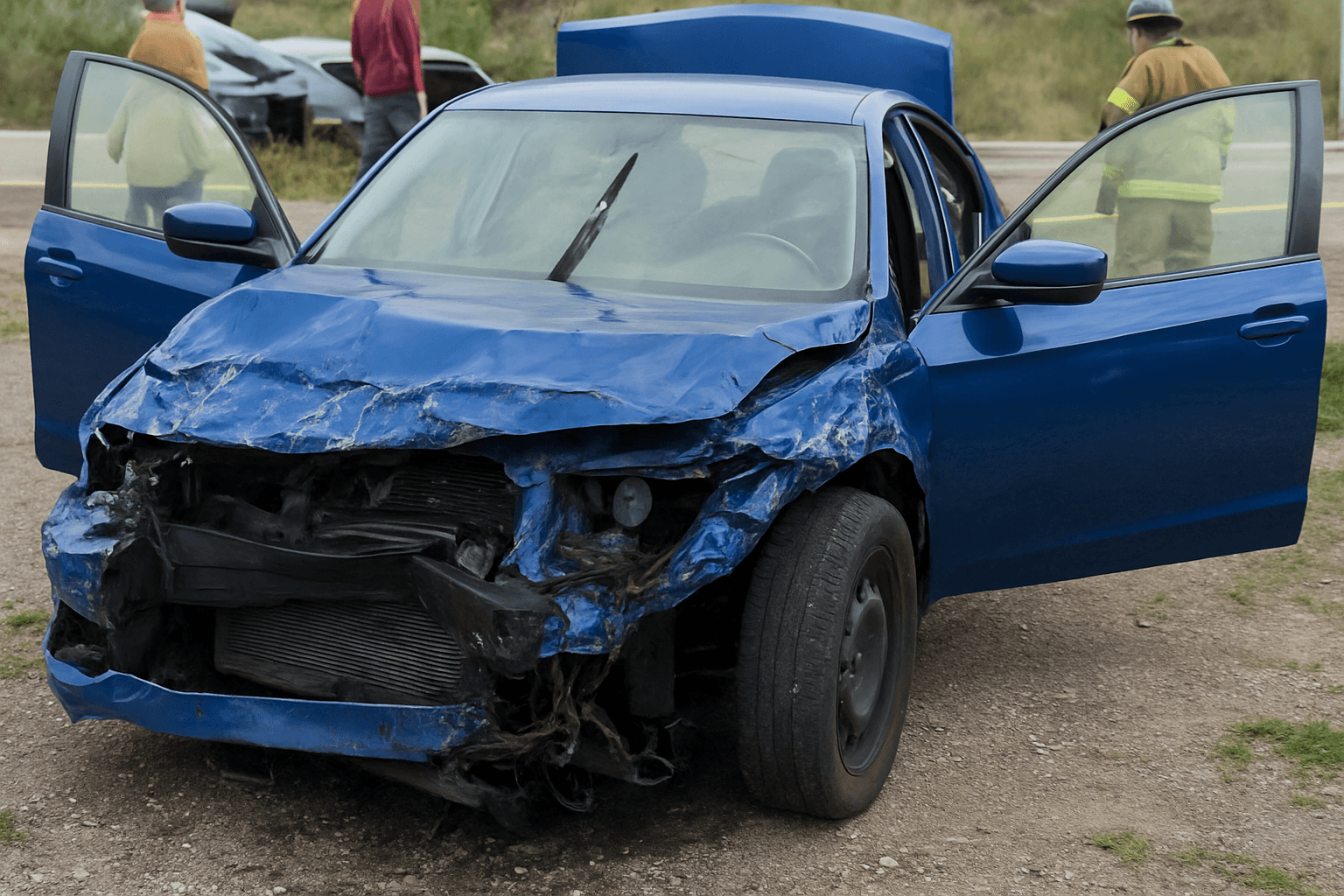
Start with your vehicle's actual cash value, not what you paid or what you think it's worth. Check NADA or Kelley Blue Book for the current Fort Lauderdale private-party value. Subtract your collision deductible. The difference is the maximum net claim you could collect if you totaled the vehicle tomorrow. If that figure is under $3,000, most retirees find collision no longer pays for itself within two years of premiums.
Request a quote removing collision and comprehensive. Compare the annual savings to the net claim maximum. If the savings equal or exceed 10 percent of the vehicle's value, the coverage has crossed into expensive-insurance-on-a-modest-asset territory. A $6,000 vehicle with a $500 deductible and $800 annual collision premium produces a $5,500 maximum claim against $1,600 in premiums over two years. You are paying nearly one-third of the vehicle's value to insure it for two years.
Related Articles




Fort Lauderdale Retirees Face Two Structural Pressures
Fort Lauderdale's coastal location and theft rate create higher comprehensive premiums than inland Florida cities. Comprehensive covers hurricane damage, flooding in low-lying areas near the Intracoastal, and vehicle theft. If you park in a secure garage and your vehicle is over ten years old, comprehensive may cost more annually than the theft or storm risk justifies.
The second pressure is liability exposure. Florida's no-fault system reduces your exposure to bodily injury claims from other drivers, but you remain liable for property damage and injury to passengers in your vehicle. Retirees with meaningful retirement assets face a judgment risk that younger drivers with minimal net worth do not. Dropping collision makes sense for many Fort Lauderdale retirees; dropping bodily injury liability rarely does.
Your Medicare coverage coordinates with personal injury protection, but PIP pays first. Florida requires $10,000 PIP regardless of age. Medical payments coverage duplicates Medicare for most retirees and adds little value. Collision and comprehensive protect the vehicle; bodily injury liability protects your retirement accounts, home equity, and savings from a lawsuit. Those are separate decisions, and conflating them produces the wrong coverage structure.
Florida Carriers Offering Senior Quotes
25
Twenty-five carriers writing in Florida offer online or phone quotes for retirees. Compare liability-only and full-coverage quotes side by side to see the exact collision and comprehensive line-item cost before deciding. Geico, Progressive, State Farm, and Allstate quote online; Dairyland and The General serve non-standard profiles.
Florida carrier availability data
What Happens When You Drop Collision
You call your carrier or agent and request collision and comprehensive removal effective your next renewal date. The carrier confirms the vehicle is not financed. They issue an updated declaration page showing Florida's required coverages plus any liability limits you elected to keep. Your premium drops by the collision and comprehensive line items, usually the largest reduction available outside switching carriers entirely.
One structural failure mode: some carriers will not remove collision without also removing comprehensive, or vice versa. This pairing exists in their underwriting rules, not in Florida law. If your carrier enforces paired removal and you want to keep comprehensive for theft or hurricane risk, compare quotes from carriers that allow separate elections. State Farm, Geico, and Progressive typically allow independent collision and comprehensive decisions.
The Coverage You Still Need
Florida requires $10,000 property damage liability and $10,000 personal injury protection. Those minimums remain mandatory whether you carry collision or not. Bodily injury liability is not required under Florida's no-fault statute, but retirees with assets to protect should carry it. The minimum provides inadequate protection if you cause a serious injury; $100,000 per person and $300,000 per accident is the floor most financial advisors recommend for retirees.
Uninsured motorist coverage is optional in Florida but becomes more important once you drop collision. If an uninsured driver totals your vehicle, collision would have paid your claim minus the deductible. Without collision, uninsured motorist property damage covers the loss, subject to the limits you elected. Fort Lauderdale's uninsured driver rate makes this coverage worth considering even on a paid-off vehicle.
Request Comparison Quotes This Week
Contact three carriers writing in Fort Lauderdale and request two quotes: one with your current full-coverage structure, one with collision and comprehensive removed and bodily injury liability at $100,000/$300,000. Ask for the annual premium and the per-coverage breakdown. Compare the collision line-item cost to your vehicle's current value minus your deductible. If that cost exceeds 10 percent of the net claim maximum, you are overpaying to insure a depreciating asset. Redirect that premium toward the liability limits protecting your retirement accounts instead.