The Lender Mandate Just Ended
You made the final payment on your car and the lien release arrived in the mail. Most Florida retirees in Tallahassee keep their full-coverage policy running on autopilot because the renewal notice says nothing about the lender requirement disappearing. Your insurer does not send you a letter announcing you can drop collision and comprehensive now.
This moment is the only time the coverage decision sits entirely with you. The lender required collision and comprehensive to protect their loan. That requirement ended when you paid the loan off. You now choose whether those coverages still make financial sense for a vehicle you own outright, based on what you would pay to replace it yourself versus what the premium costs each year.
Compare rates from carriers that specialize in senior drivers
Mature driver discounts, low-mileage rates, and coverage reviews — see what you're actually eligible for.
Get Your Free QuoteFlorida Property Damage Minimum
$10,000
Florida requires $10,000 property damage liability and $10,000 PIP, but does not mandate collision or comprehensive on any vehicle once the lender releases the lien. The minimum protects others; collision and comprehensive protect your own car.
Florida auto insurance state minimums data
What Full Coverage Actually Protects After Payoff
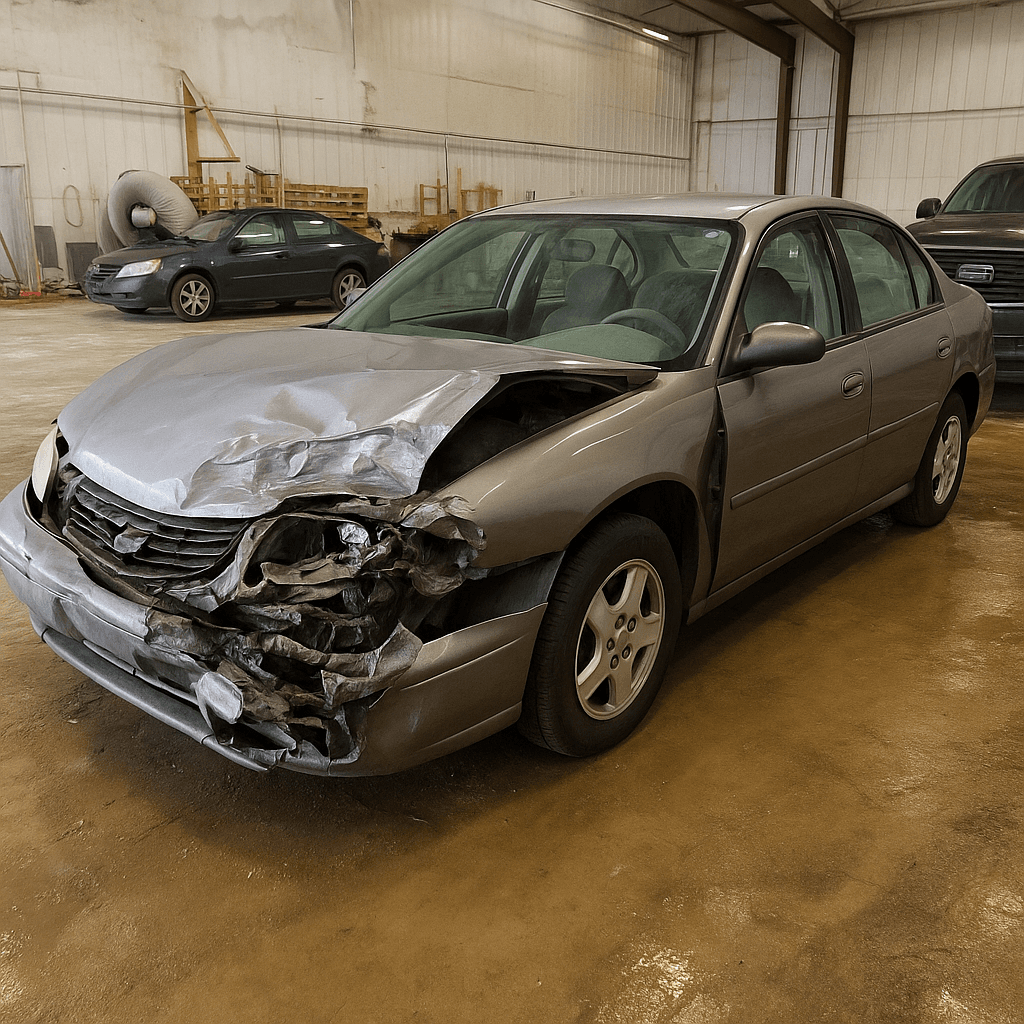
Full coverage is shorthand for a liability policy plus collision and comprehensive. Collision pays to repair or replace your car when you hit another vehicle or object, regardless of fault. Comprehensive pays for theft, vandalism, weather damage, and animal strikes. Neither coverage is required by Florida law once the lien is released.
Liability, PIP, and property damage remain mandatory whether you own the car outright or finance it. Dropping collision and comprehensive leaves you responsible for fixing or replacing your own vehicle out of pocket if it is damaged or stolen. The decision is whether the annual premium cost justifies that protection given what the car is worth now.
The blocker is simple replacement math: compare what you pay annually for collision and comprehensive against what you would pay to replace the car yourself if totaled tomorrow.
The Replacement Value Calculation
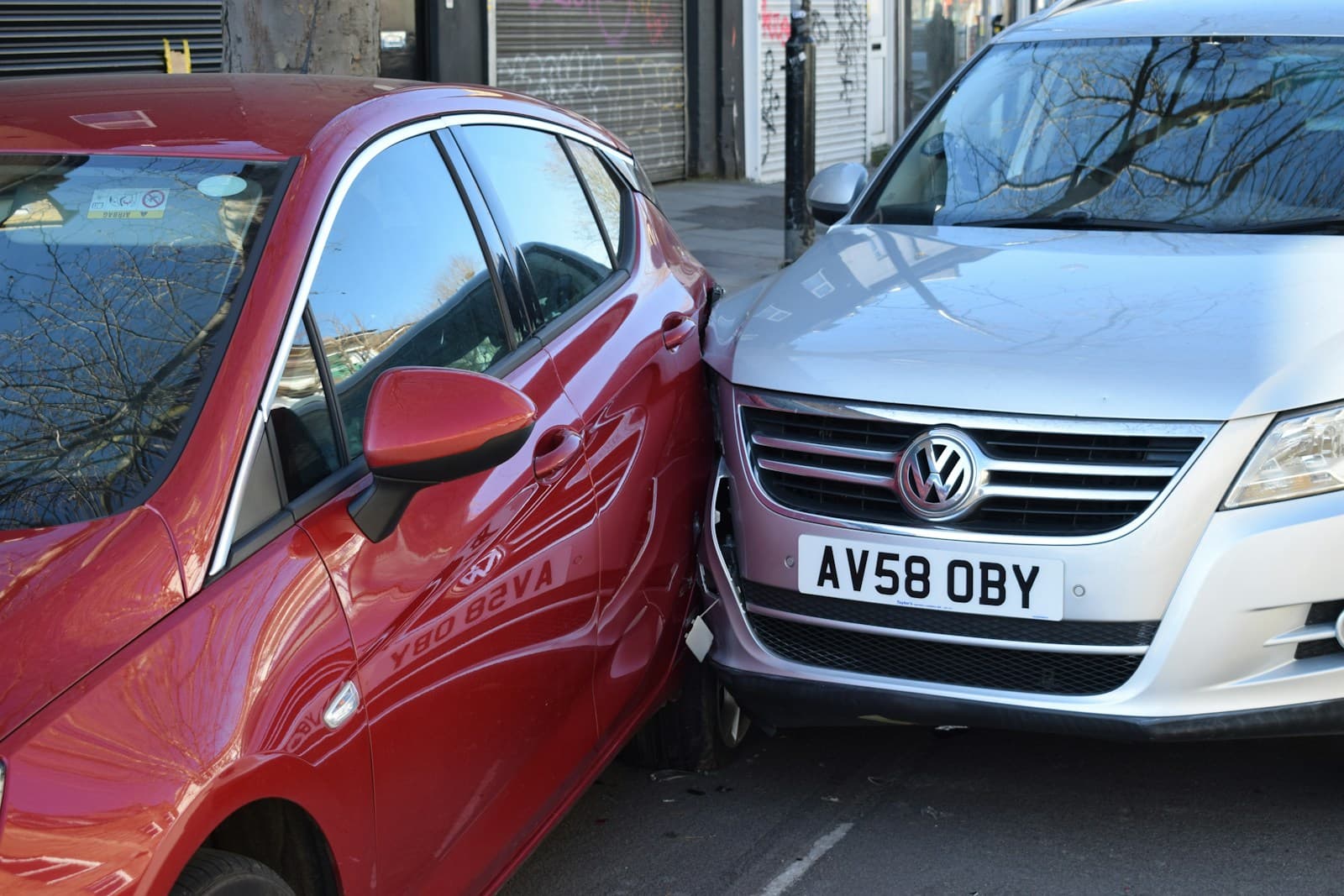
Look at your current renewal notice and find the annual cost for collision and comprehensive combined, excluding liability and PIP. Check your car's current market value using Kelley Blue Book or a recent dealer appraisal. If your car is worth $8,000 and collision plus comprehensive costs $1,200 annually, you are paying 15 percent of the car's value each year to insure it. Over three years, you pay $3,600 to protect an $8,000 asset that is depreciating.
The conventional threshold is whether the annual premium exceeds 10 percent of the vehicle's replacement value. When it does, most financial planners suggest dropping the coverage and self-insuring. If your car is worth $15,000 and the annual cost is $900, you are paying 6 percent, and the coverage still makes sense. If the car is worth $6,000 and the cost is $1,000, you are paying 17 percent, and you would break even in six years of premiums paid against one total loss.
Related Articles



Tallahassee Considerations for Retirees
Tallahassee sits in Leon County, where summer storms bring hail, fallen trees, and flooding. Comprehensive covers all three. If your car sits outside and the area sees frequent severe weather, comprehensive may justify its cost even when collision does not. You can drop collision and keep comprehensive; they are separate line items on your policy.
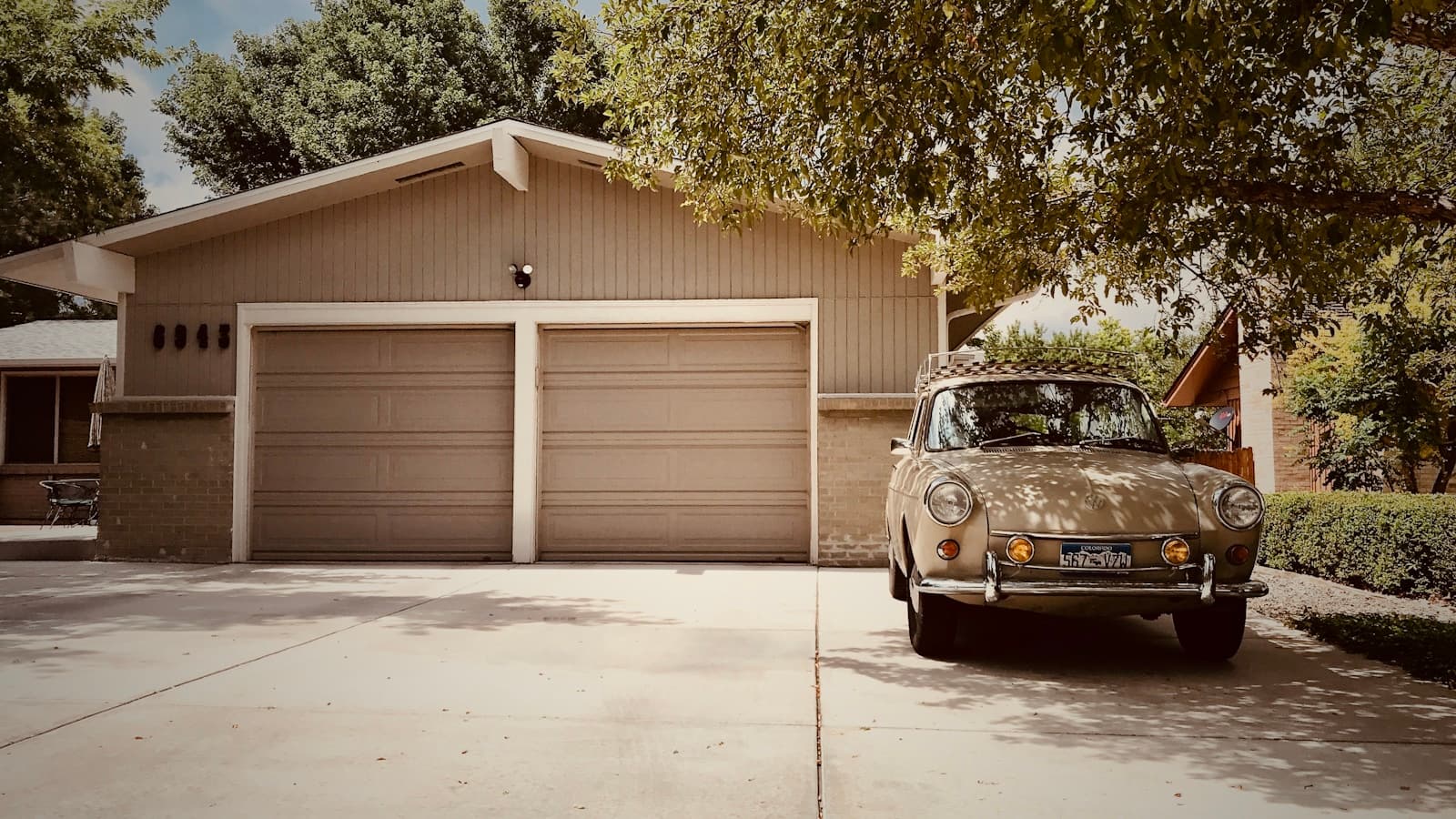
Retirees who drive under 5,000 miles annually and park in a garage face lower risk than commuters who drive 15,000 miles in traffic and park on the street. Low mileage reduces collision exposure, and a garage reduces theft and weather exposure. Both facts lower the actuarial value of the coverage, which is why usage-based and low-mileage programs exist.
If you plan to keep the car for another five years and it is worth $12,000 today, ask whether you would rather pay $5,000 in premiums over that period to protect it, or set that $5,000 aside in a repair fund and self-insure. The math depends on your savings position and your tolerance for absorbing a total-loss expense without insurance reimbursement.
Carriers Writing in Florida
25
Florida has 25 verified carriers writing auto policies statewide, including Geico, Progressive, State Farm, Allstate, and Nationwide. All allow you to adjust or drop collision and comprehensive at renewal without canceling the base liability policy.
Florida auto insurance carriers database
How to Adjust Coverage Without Restarting the Policy
Call your agent or log into your carrier's online account portal before your renewal date. Request a quote for the same policy with collision and comprehensive removed, or with higher deductibles if you want to keep the coverage at lower cost. The carrier will provide a revised premium for the same policy term. You are not canceling and restarting; you are modifying coverage on the existing policy.
If you drop both coverages and later want to reinstate them, most carriers allow you to add them back at the next renewal or mid-term with a new inspection or odometer statement. Reinstatement is not automatic, and some carriers require proof the vehicle is still in good condition before writing collision and comprehensive again.
Compare What You Keep Against What You Pay
Log into your current carrier's portal and download your policy declaration page. The declaration page lists each coverage and its annual cost. Add the collision and comprehensive lines together to see what you pay per year to protect your own vehicle. Compare that figure to what a replacement car of similar age and condition would cost in Tallahassee today.
If the annual cost is under 10 percent of replacement value and you cannot absorb a total loss from savings, keep the coverage. If the cost exceeds 10 percent and you have the cash reserves to replace the car, drop it and bank the premium savings. The decision is financial, not emotional. The car's sentimental value does not change the replacement math.